


Meet Aimara Arroyave Sánchez, coral guardian at Punta de la Mona, Spain
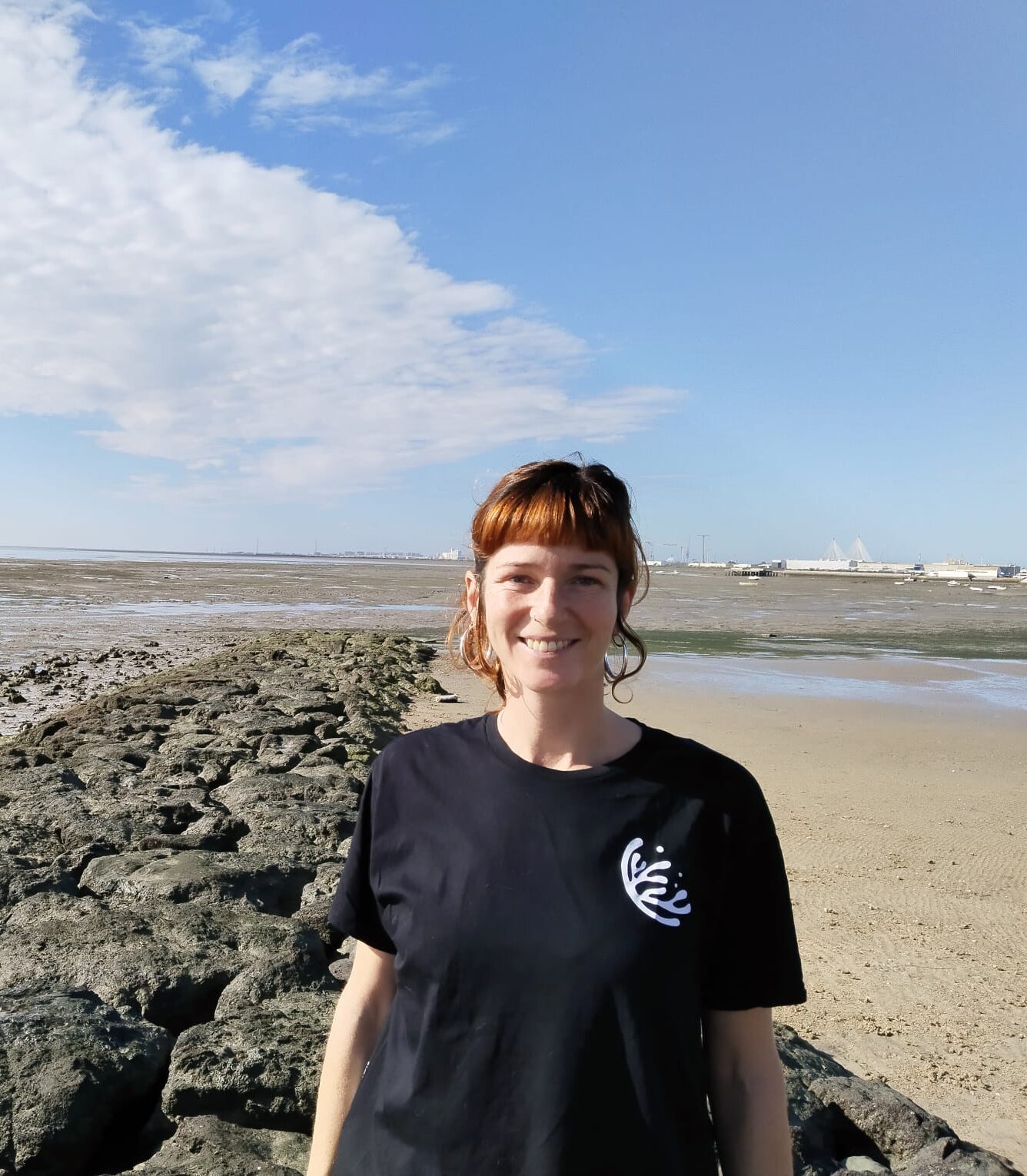
In this series of articles, we invite you to meet the people who shape our organisation — those who inspire and motivate us. For this fourth feature, we give the floor to Aimara Arroyave Sánchez, the education manager for Coral Soul, our partner in Spain.
Can you introduce yourself in a few words?
My name is Aimara Arroyave Sánchez, and I lead the Education Department. I live in Cádiz, although my work is mobile: we travel across Andalusia delivering awareness workshops about the fascinating world of corals.
How did you start working in coral restoration?
Thanks to Coral Soul.
What motivated you to join Coral Soul and Coral Guardian?
On one hand, these are projects with real purpose and soul. They aim to protect and improve life, which is what drives me. On the other, the people behind these projects have become like family.
Is there a value or a word that captures the spirit of Coral Guardian / restoration programmes?
Commitment to protecting life.
What does a typical day in the field look like for you?
It depends on the groups we work with, but we usually visit schools or community organisations. We run interactive sessions using discussions, games, sensory activities, and virtual reality headsets to explain what corals are and why they matter.
What gives you energy in this work?
I believe in people’s capacity for change through projects like this. In one word: it gives me hope for the future.
Can you describe the restoration site?
In my case, although I often talk about it, I haven’t yet been able to dive down to the restoration sites due to depth limitations. I’m continuing my diving training so I can experience them firsthand.
What are the main steps in coral restoration?
It depends on the project. For example, in the Deep Core Project: coral fragments are collected from the seabed, transferred to underwater nurseries, carefully monitored and nurtured until healthy, and then replanted onto the reef to help rebuild it.
What is your team’s greatest strength?
Community support and trust. We also have a multidisciplinary team, which brings diverse perspectives.
What are the main challenges you face?
Administrative processes can sometimes slow things down and be discouraging. At the same time, the climate emergency means we are working against the clock.
And your greatest achievements?
Knowing that every step forward is a win. Seeing the project’s impact and the hope in people’s eyes when they discover it.
Why is it so important to restore coral reefs?
Coral reefs are vital to ocean health. They support biodiversity, help tackle climate change, act as indicators of ocean health, protect coastlines from natural disasters, and hold cultural and economic value for local communities.
What is your best memory linked to the Deep Core Project?
The visit from Juliette and Paola last year — a wonderful moment that strengthened team connections and shared goals.
What has been your most beautiful encounter in the ocean?
The first time I saw a gorgonian coral. I’ve only recently started diving, so every dive feels incredible.
How do you interact with local communities?
Community networks are essential. We collaborate with local groups and organisations to deliver workshops, and these relationships often continue beyond the sessions through ongoing exchanges.
In your opinion, what concrete changes does coral restoration bring?
- Restores marine biodiversity and habitats
- Strengthens ecosystem resilience to climate change
- Protects coastlines from erosion and waves
- Supports fisheries recovery
- Creates social and economic benefits through sustainable tourism and local jobs
If you could send a message to people adopting a coral, what would you say?
Thank you for being part of this collective effort. By adopting a coral, you are helping protect a vital ecosystem.
If you could describe the ocean in one word?
Life.