



Meet Aimara Arroyave Sánchez, guardian of the corals at Punta de la Mona, Spain
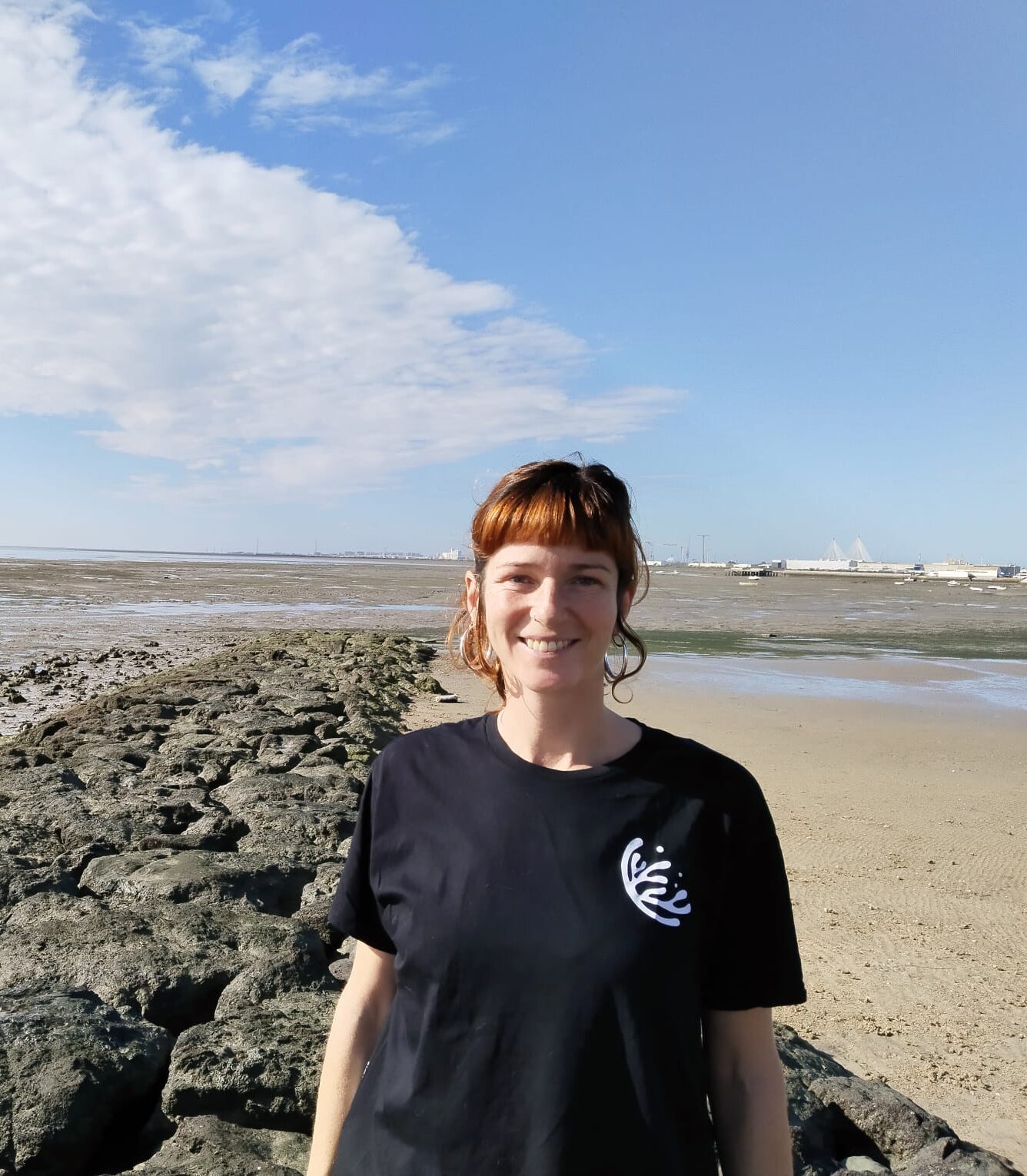
Meet the team: Aimara Arroyave Sánchez, Coral Soul
In this series of articles, we introduce you to the people who shape our association — those who inspire us and drive us forward. For this fourth instalment, we hear from Aimara Arroyave Sánchez, Awareness Coordinator for Coral Soul, our partner in Spain.
Could you introduce yourself in a few words?
My name is Aimara Arroyave Sánchez, and I’m the Awareness Coordinator. We travel across the different regions of Andalusia running awareness workshops about corals.
How did you start working in coral reef restoration?
Through Coral Soul.
What motivated you to join Coral Soul and Coral Guardian?
On one hand, these are projects with real meaning — with a true soul. They aim to protect and improve life, and that’s what drives me deeply. On the other, there are the people behind these projects, who have become a real family.
Is there a value or word that sums up the spirit of Coral Guardian and the restoration programmes?
Commitment to protecting life.
What does a typical day in the field look like?
It depends on the audience we’re working with, but generally we go into organisations — schools, associations. We meet groups and run workshops through interactive discussions, games, sensory activities and virtual reality headsets to explain what corals are and why it’s essential to protect them.
What gives you energy in this work?
I believe in the power of programmes like this one to transform people. In a word, it gives me hope for the future.
Can you describe the restoration site?
In my case, even though I talk about it often, I haven’t yet been able to dive down to the restoration sites myself, as the depth doesn’t allow it for now. I’d like to continue my diving training so I can discover them for myself.
What are the main stages of restoration?
It depends on the project. For example, in the Deep Core Programme: coral fragments are collected from the seabed, then transferred to nurseries set up at depth. There, they’re monitored and cared for until they’re healthy, before being replanted on the reef to help rebuild it.
What is your team’s greatest strength?
Community support and trust. We also benefit from a multidisciplinary team, which brings complementary perspectives.
What are the main challenges?
There’s an administrative side that can slow things down and sometimes feel discouraging. On top of that, the climate emergency means we’re racing against time.
And your greatest achievements?
Knowing that every step is a victory. The results of the programme, and the reactions of the people we raise awareness with — seeing hope in their eyes — are incredibly powerful.
Why is it so important to restore reefs?
Coral reefs are essential to ocean health. They shelter exceptional biodiversity, help fight climate change, act as indicators of the state of the seas, protect coastlines from natural disasters, and play a major cultural and economic role for local communities.
What’s your favourite memory linked to the Deep Core Programme?
Juliette and Solène’s visit last year. A precious moment that strengthened ties with the team and our shared goals.
What’s the most beautiful encounter you’ve had in the ocean?
The first time I saw a gorgonian. I’ve only been diving for a short while, so every dive is fascinating.
How do you interact with local communities?
The network of local associations is essential. We work with local associations and groups to organise the workshops. These connections often continue after our visits, with follow-up and information-sharing.
In your view, what are the concrete impacts of coral restoration?
- Restoring biodiversity and habitats
- Strengthening resilience to climate change
- Protecting coastlines from erosion and swell
- Supporting fish stocks
- Social and economic benefits through sustainable tourism and local employment
What message would you like to share with people who adopt a coral?
Thank you for being part of this great adventure. By adopting a coral, you’re directly contributing to the protection of this essential ecosystem.
If you had to describe the ocean in one word?
Life.