Donate Adopt a coral I have a gift code

France, Mediterranean Sea

The CoraDive project: restoring the Mediterranean coralligenous habitat
Blurred reef - Coral Guardian

In partnership with the local association
 

Where does it take place?

©Samuel Jeglot
©Samuel Jeglot

The CoraDive project is run by the local association NaturDive.

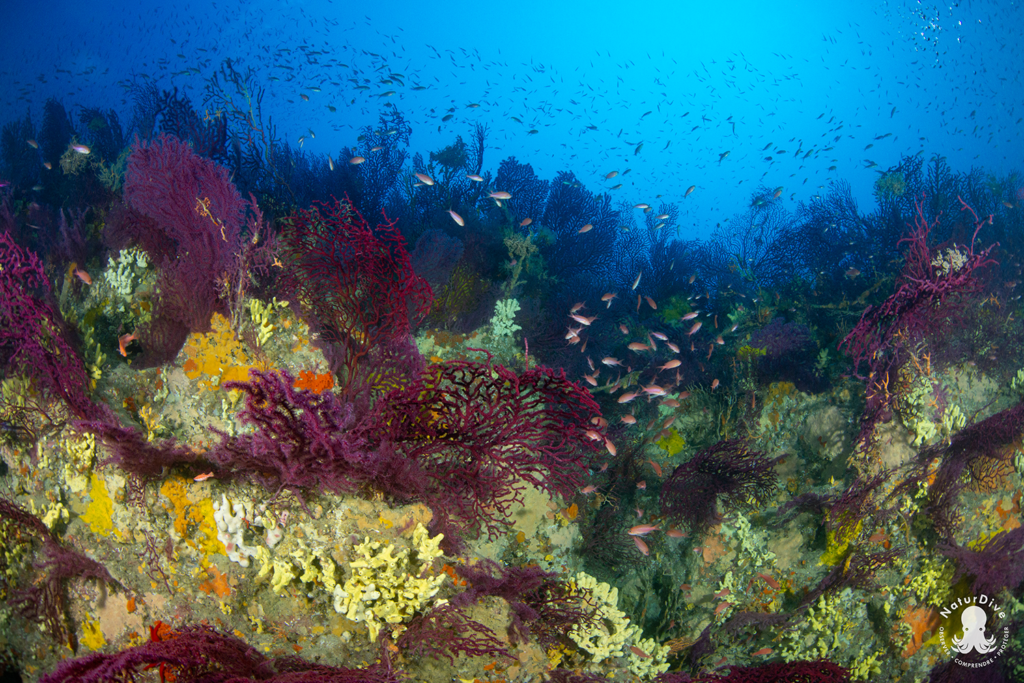
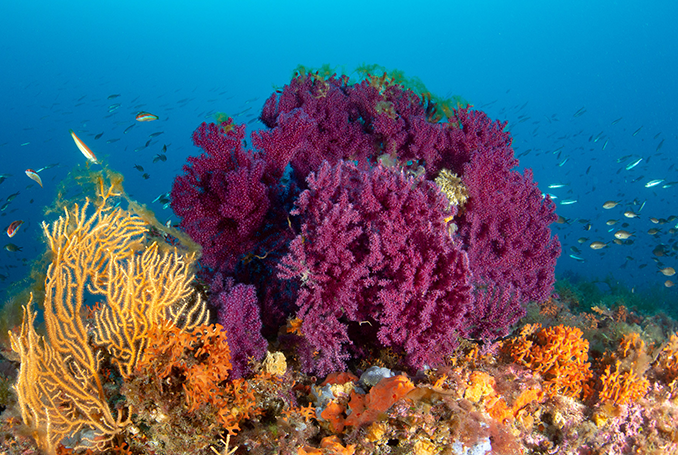
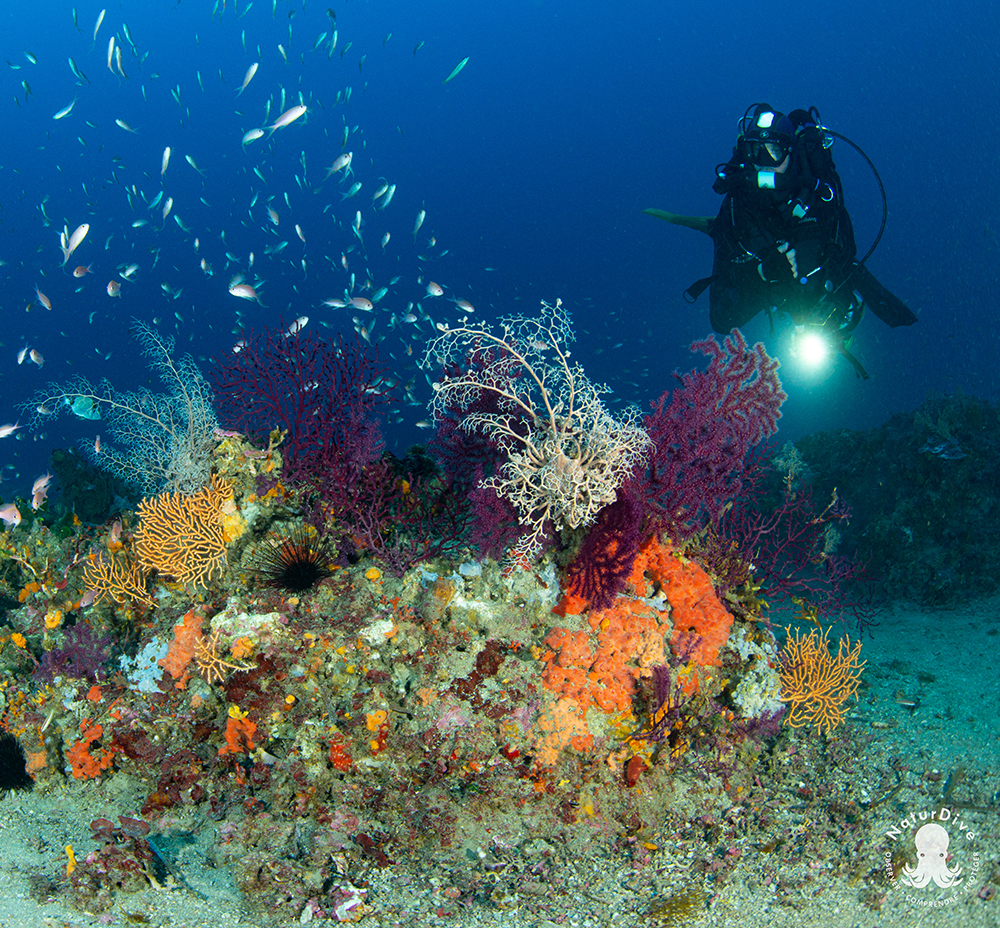
It is being developed along France’s Mediterranean coast, in the départements of Alpes-Maritimes and Var, within three Natura 2000 sites: “Estérel”, “Baie et Cap d’Antibes, îles de Lérins” and “Cap Ferrat”. These are busy areas, renowned for the beauty of their coastline and highly popular for boating and water sports. But beyond around twenty metres of depth lie the coralligenous reefs: animal forests forming a habitat that shelters nearly 20% of Mediterranean marine biodiversity.

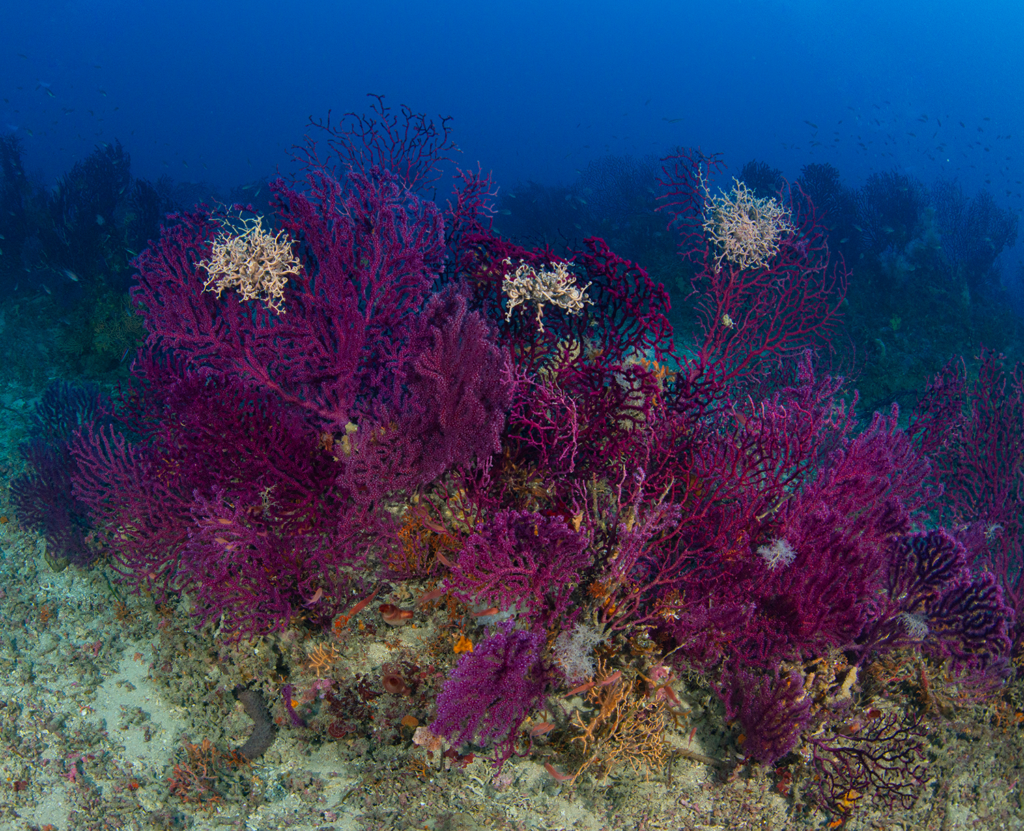
This richness stems from the complexity of the underwater landscape and the species that inhabit it, starting with the gorgonians. Like trees within a forest on land, they structure the entire ecosystem: their presence increases the complexity of the habitat and encourages a very rich associated biodiversity to establish itself.

What are the local challenges?

©Samuel Jeglot
©Samuel Jeglot

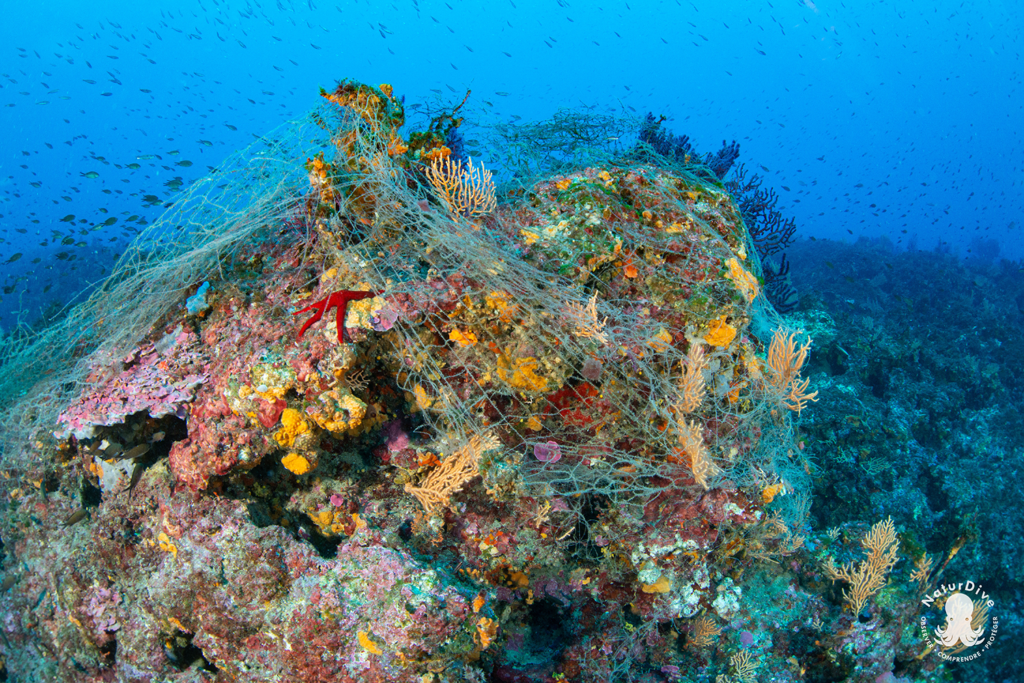
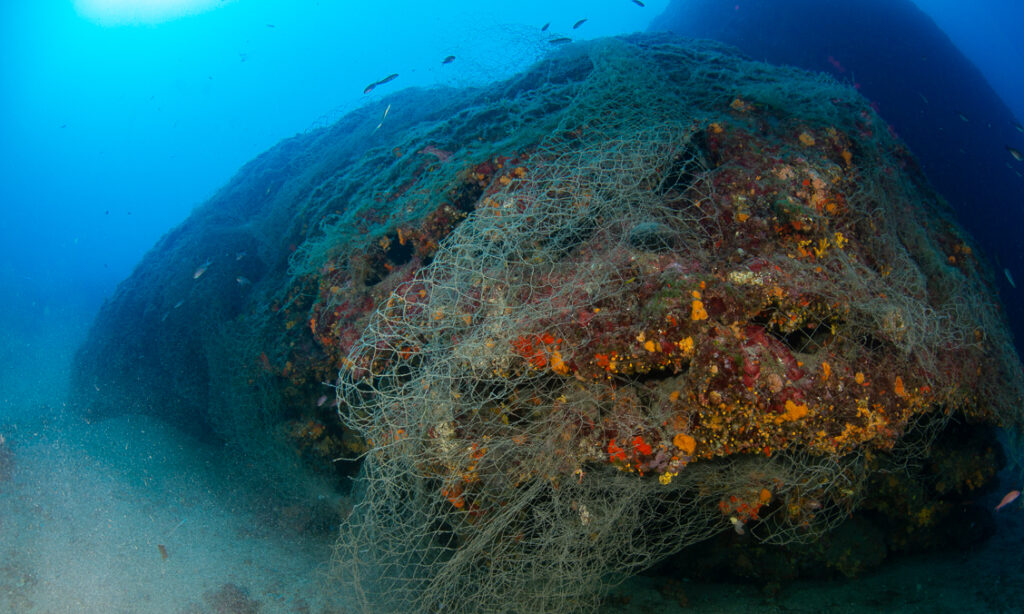
Despite its ecological importance, the coralligenous habitat is subject to multiple human pressures: marine heatwaves, excess nutrients and sedimentation, invasive alien species, impacts linked to scuba diving, and accidental catches from fishing.

Gorgonians are particularly fragile animal colonies, and vulnerable to this damage. The breaking or accidental dislodging of a colony is not always fatal in itself, but once detached from its substrate, it dies in the vast majority of cases, unable to reattach itself naturally.

CoraDive was born from a simple observation made by NaturDive after years in the field: these accidental catches, rather than a loss, can become a resource for ecological restoration.

Our mission

Scientific research

Developing scientific research to compare methods of transplanting gorgonians, in order to identify an optimal and replicable method.

Restoration and conservation

Restoring and conserving the coralligenous habitat within Natura 2000 sites on the Côte d’Azur, by transplanting accidentally dislodged gorgonians (Paramuricea clavata and Eunicella cavolini, two declining Mediterranean endemic species), with fishers as the main partners.

Knowledge sharing

Sharing knowledge of the challenges surrounding coralligenous habitats with the general public, through awareness-raising tools suited to audiences of all kinds.

Dissemination

Disseminating the project’s lessons among managers of marine protected areas across the Mediterranean, via operational tools, publications and scientific events.
Scientific research Restoration and conservation Knowledge sharing Dissemination

Developing scientific research to compare methods of transplanting gorgonians, in order to identify an optimal and replicable method.

Restoring and conserving the coralligenous habitat within Natura 2000 sites on the Côte d’Azur, by transplanting accidentally dislodged gorgonians (Paramuricea clavata and Eunicella cavolini, two declining Mediterranean endemic species), with fishers as the main partners.

Sharing knowledge of the challenges surrounding coralligenous habitats with the general public, through awareness-raising tools suited to audiences of all kinds.

Disseminating the project’s lessons among managers of marine protected areas across the Mediterranean, via operational tools, publications and scientific events.
Key figures

The expected impact between 2026 and 2028:

300

gorgonians recovered from accidental catches and transplanted into the natural environment

5

local fishers involved on a lasting basis in recovering dislodged colonies

2 000

people made aware of the challenges facing the coralligenous habitat

1

restoration methodology validated, documented and reproducible on a Mediterranean scale

Our restoration methods

© Samuel Jeglot
© Samuel Jeglot

Restoring the gorgonians

Together with NaturDive, we are testing several colony sizes and attachment methods in order to identify the most effective protocol for durably transplanting the dislodged colonies onto the seabed. The aim: to establish a robust, reproducible method that can be transferred to other Mediterranean sites facing the same pressures.

© Samuel Jeglot
© Samuel Jeglot

Involving small-scale fishers

The small-scale fishers of Golfe-Juan are partners in the project from the very first stage: they are the ones who bring us the gorgonians accidentally caught in their nets. This collaboration turns a constraint of their activity into a concrete conservation gesture, and creates a lasting bond between those working in fishing and in ecological restoration.

© Samuel Jeglot
© Samuel Jeglot

Scientific monitoring

Biological monitoring

For each method tested, we monitor the survival and growth of the transplanted gorgonians over the short and medium term. This monitoring makes it possible to compare the protocols objectively and to document the conditions for successful restoration.

Social monitoring

The project also documents its impact on local stakeholders: the number of fishers involved, the nature of their involvement, and the feedback gathered throughout the project. This social dimension is essential to ensuring the initiative endures beyond 2028.

What are the project's prospects?

© Samuel Jeglot
© Samuel Jeglot

CoraDive’s long-term aim is to make this experience a transferable model: a scientifically validated method, a proven approach to involving fishers, and tools ready to be shared with other managers of marine protected areas across the Mediterranean – so that coralligenous restoration does not remain local, but becomes a practice that can be reproduced on a larger scale.

The team

<br />
<b>Warning</b>:  Trying to access array offset on value of type bool in <b>/var/www/localhost/htdocs/web/app/themes/coralguardian-theme/templates/components/section-team.php</b> on line <b>31</b><br />
Employé·e·s Bénévoles
Inés SÁNCHEZ DEL RÍO Project Officer Scientific Diver
Samuel JEGLOT Director and Co-founder Underwater Photographer Scientific Diver
Ioana STOICESCU Project Officer Underwater Photographer & Videographer Scientific Diver