
Donate Adopt a coral I have a gift code


Become a coral guardian

Coral reefs cover just 0.2% of the ocean, yet they are home to a quarter of all marine biodiversity and protect 150,000 km of coastline across more than 100 countries. They feed, shelter and sustain hundreds of millions of people.

Yet they could disappear by 2050 under the combined pressure of climate change and human activity. Without immediate action, we risk losing these natural treasures forever.

Help us save them, adopt a coral.


For €30 or €45 (before tax deduction), adopt a coral and receive a beautiful personalised adoption certificate!

Careful attention to your adoption 🐠
For technical reasons, each adoption is currently being checked manually by our team. This may take a little longer than usual, but you will receive your confirmation.
Thank you for your patience, and welcome to the Coral Guardian adventure! Your coral, meanwhile, is already growing.

How does it work?

1 Give your coral a name Adopt a coral and give it a name! If you're gifting a coral adoption, it's your recipient who gets to choose their coral's name using their gift code.
2 Receive your adoption certificate Complete with a photo, the name you've given it, the GPS location of the zone you've contributed to, and the name of the team member who will carry out the transplant.
3 We transplant your coral We'll transplant it in our restoration zone and help bring the reef back to life, thanks to you!

Your adoption certificate

Receive your personalised adoption certificate by email.

Then frame it, or send it straight to them!

certificats Fête des Mères


WHY RESTORE CORAL REEFS?

Biodiversity

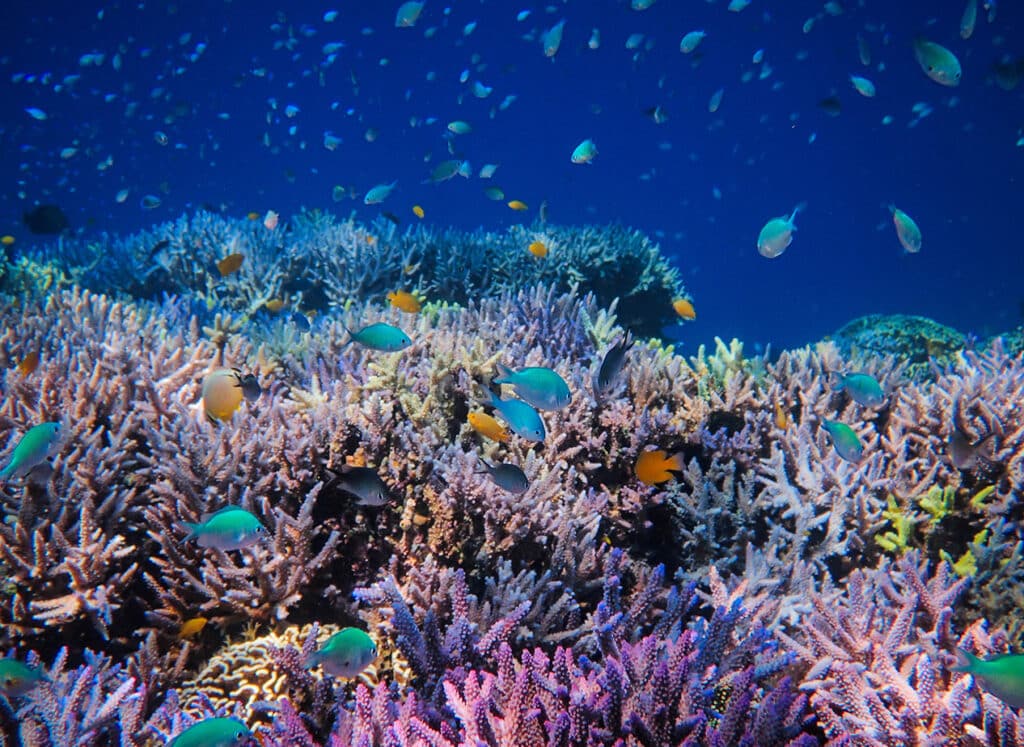
The foundation of marine biodiversity

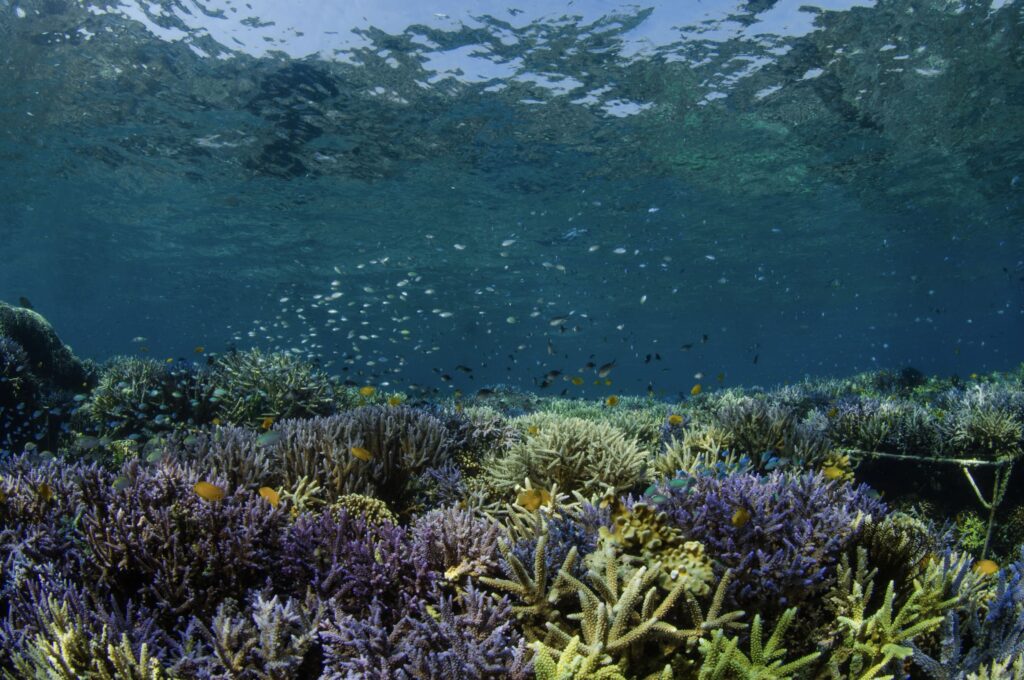
Scientists estimate that coral reefs are home to more than 25% of marine species. Corals are also the foundation on which other ecosystems form.
Coastal protection

Coastal protection.

Reefs cover just 0.2% of the ocean. Yet they protect more than 150,000 kilometres of coastline across over 100 countries and territories. They can form a barrier that absorbs wave energy, helping to reduce coastal erosion.
Food

A food resource

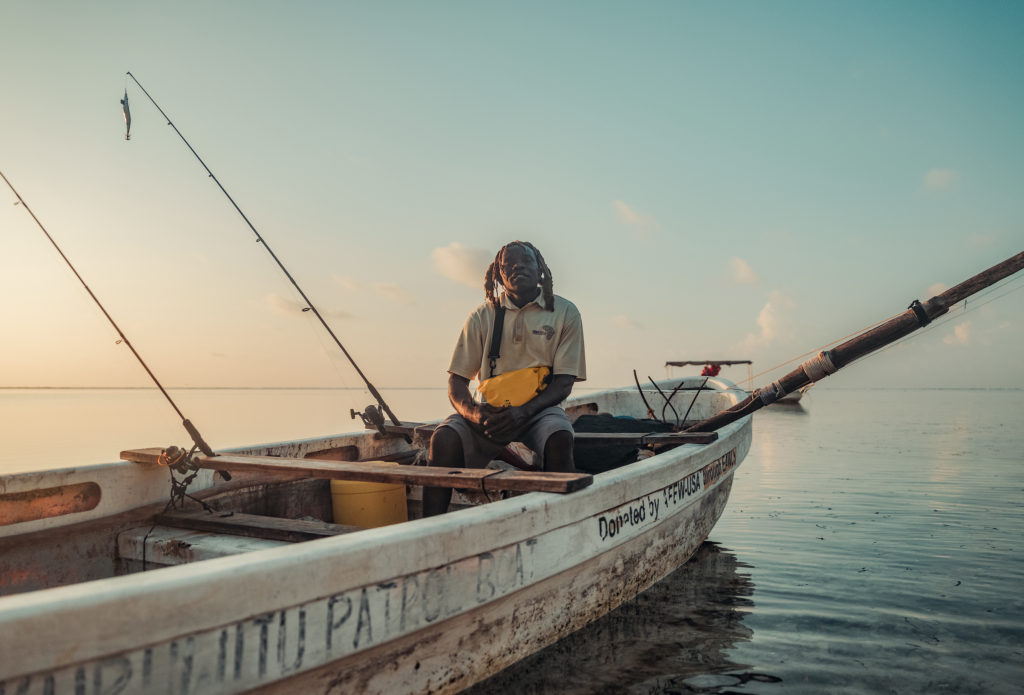
Around 1 billion people live within 100 kilometres of coral reefs and stand to benefit from their ecosystem services. 500 million people depend on them directly. Reefs can yield between 5 and 15 tonnes of fish and shellfish per square kilometre.
Tourism

A source of tourism wealth

Reefs are often a key part of the economy in the tropical regions that host them, attracting divers, free-divers, recreational fishers and lovers of white sandy beaches.
Economy

Economic importance

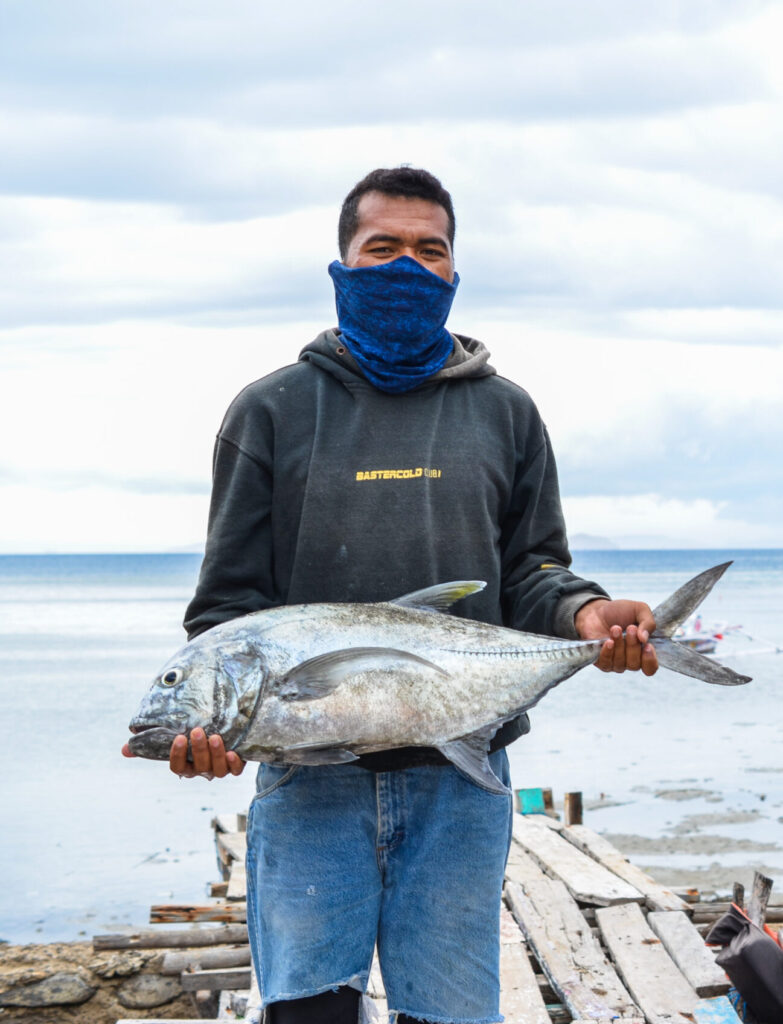
Millions of people worldwide depend on reefs for their livelihoods. According to one estimate, the total net annual benefit of coral reefs worldwide is $29.8 billion.
Health

A medical future

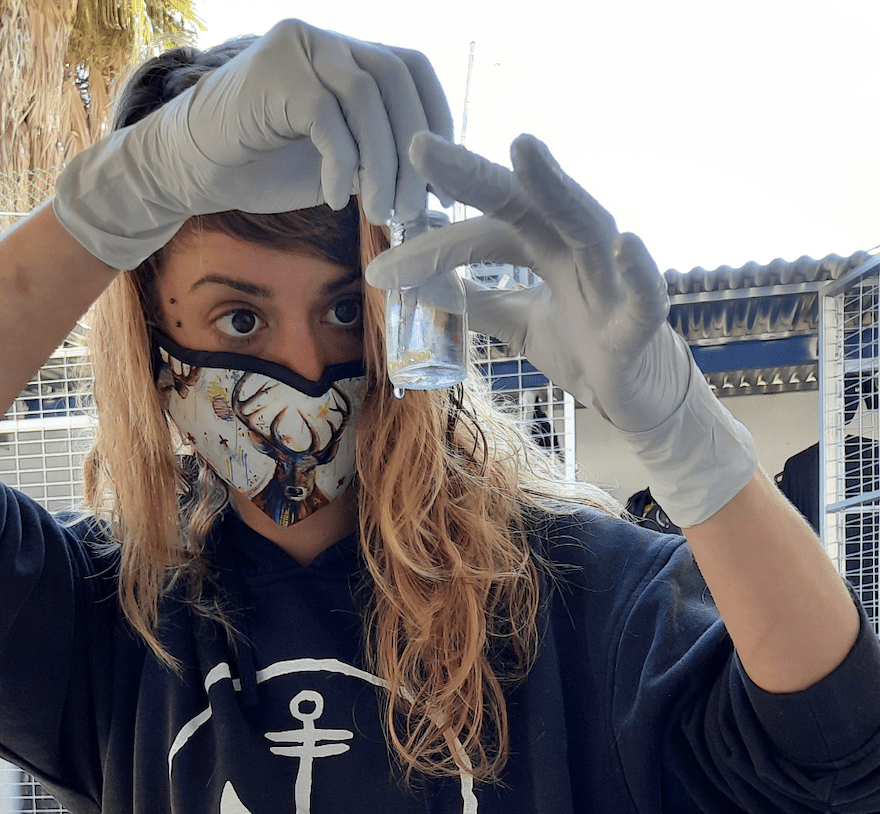
Coral reefs also contribute to research progress, not least because they offer promising leads for treating a range of diseases.

Biodiversity Coastal protection Food Tourism Economy Health
© Julien Holleville

The foundation of marine biodiversity

Scientists estimate that coral reefs are home to more than 25% of marine species. Corals are also the foundation on which other ecosystems form.

protection côtière

Coastal protection.

Reefs cover just 0.2% of the ocean. Yet they protect more than 150,000 kilometres of coastline across over 100 countries and territories. They can form a barrier that absorbs wave energy, helping to reduce coastal erosion.

A food resource

Around 1 billion people live within 100 kilometres of coral reefs and stand to benefit from their ecosystem services. 500 million people depend on them directly. Reefs can yield between 5 and 15 tonnes of fish and shellfish per square kilometre.

© Coco Tamlyn

A source of tourism wealth

Reefs are often a key part of the economy in the tropical regions that host them, attracting divers, free-divers, recreational fishers and lovers of white sandy beaches.

© Julien Holleville

Economic importance

Millions of people worldwide depend on reefs for their livelihoods. According to one estimate, the total net annual benefit of coral reefs worldwide is $29.8 billion.

© Rafael Camacho

A medical future

Coral reefs also contribute to research progress, not least because they offer promising leads for treating a range of diseases.

Our programmes' progress

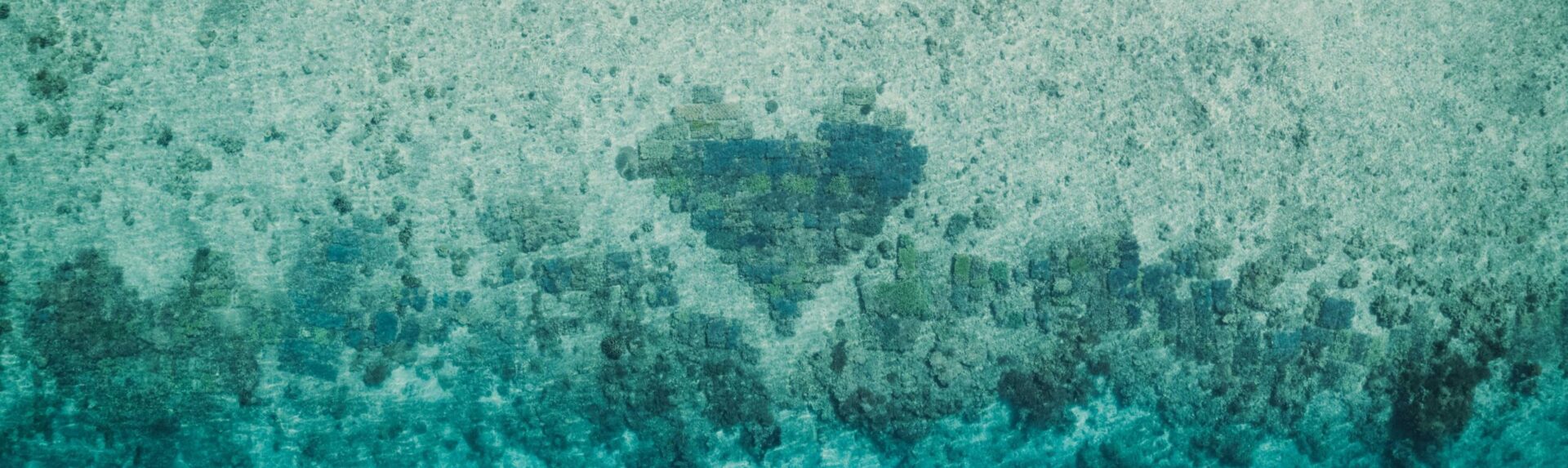
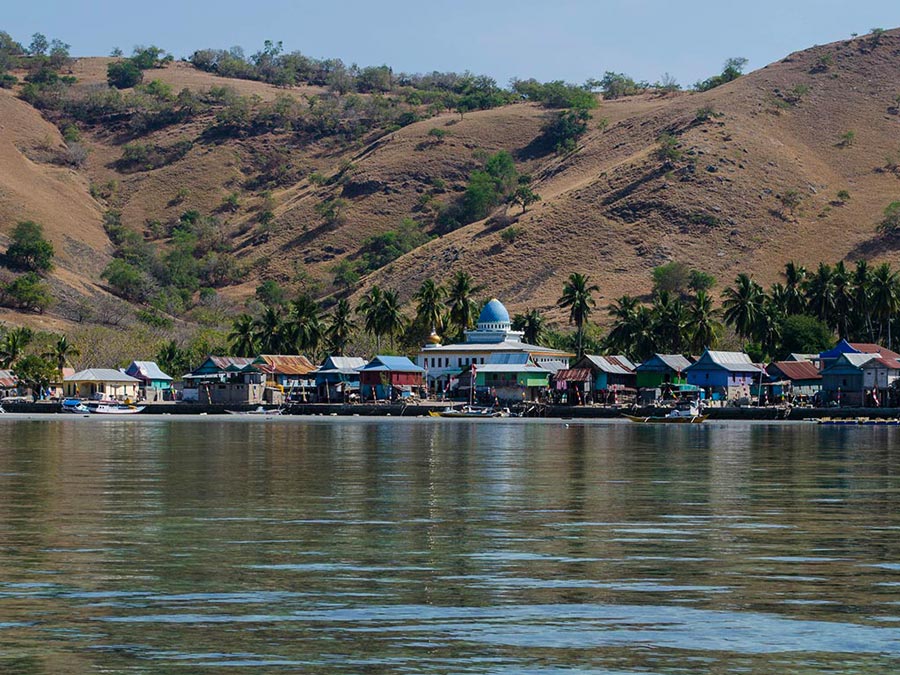
We are currently restoring damaged reefs on Hatamin Island, near Seraya Besar village, in Indonesia.

Hatamin

82 861

corals have already been transplanted, helping this village of 750 residents continue to make their living from fishing.

In the Mediterranean, working closely with the local Coral Soul team, we are restoring damaged corals at Punta de la Mona, in the Alboran Sea in the western Mediterranean.

Spain vector

1408

corals have already been restored, bringing back biodiversity that benefits local communities dependent on tourism and fishing.